
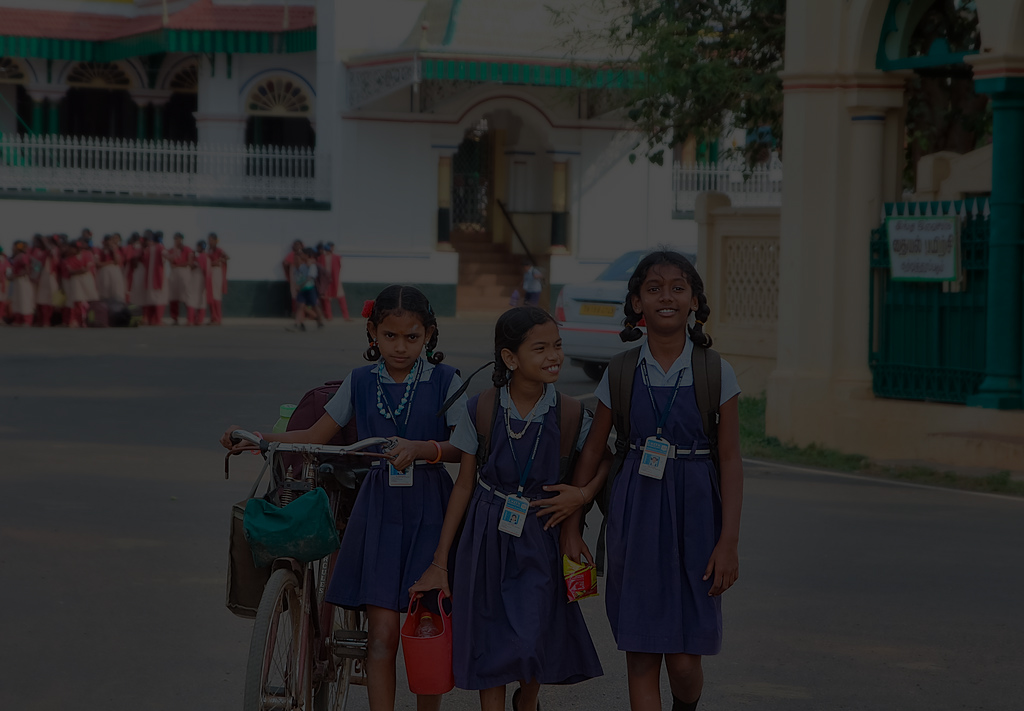
Project Panchi
Access to education can be affected by factors such as mobility, socioeconomic circumstances, unstable living conditions and limited access to formal learning spaces. Project Panchi was developed to bring educational support closer to children through mobile-school outreach and volunteer-led community classes in Delhi. The initiative began with the STQ Mobile School at R.K. Puram Sector 4 Rain Basera and subsequently extended educational engagement to children in nearby communities. An earlier project profile reported that the Mobile School had supported the education of 50+ students. Project Panchi also included regular classes at Gandhi Ashram Harijan Sevak Sangh in Kingsway Camp, where nine volunteers conducted classes three days a week for two hours each day.
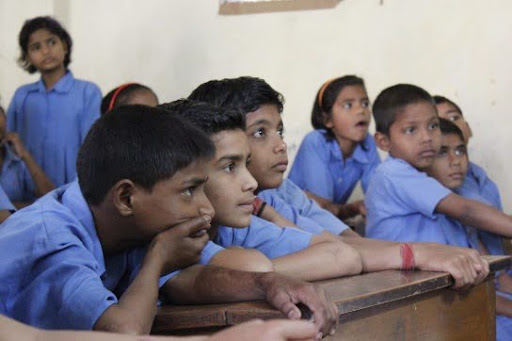
The STQ Mobile School
The STQ Mobile School was established at R.K. Puram Sector 4 Rain Basera in Delhi to take learning opportunities closer to children who faced barriers to regular access to education.
The initiative subsequently expanded its outreach to children in nearby areas. An earlier project profile recorded that the Mobile School had taken responsibility for the education of more than 50 students.
By bringing educational support into community settings, the initiative sought to reduce barriers related to access, mobility and availability of learning spaces.
Learning Resources Alongside Teaching
Project Panchi combined teaching with access to basic learning and recreational resources.
Children participating in the Mobile School received books and play materials, ensuring that educational engagement was supported by resources that could be used during lessons and recreational activities.
This approach recognised that effective community-based education requires more than instruction alone and benefits from an environment where children have access to learning materials, play, interaction and regular engagement.
Regular Classes at Gandhi Ashram
Project Panchi was also implemented at Gandhi Ashram Harijan Sevak Sangh in Kingsway Camp, where volunteers conducted regular classes for children residing at the Ashram.
A team of nine volunteers conducted classes three days a week, with each session lasting approximately two hours.
The volunteer-led model enabled regular educational engagement within the community while creating opportunities for young people and volunteers to contribute directly to children's learning.
Mathematics, English and Values-Based Learning
The classes included foundational subjects such as Mathematics and English, alongside learning focused on moral values and personal development.
Volunteers used different teaching approaches to engage children and adapt learning activities to their needs.
This combination aimed to strengthen foundational academic capabilities while also supporting children's confidence, communication, social development and positive values.
Learning Through Presentations, Workshops and Activities
Project Panchi extended learning beyond conventional classroom instruction through presentations, workshops and activity-based sessions.
These methods created opportunities for children to engage with educational concepts through different formats and encouraged more participatory forms of learning.
Such activities also allowed volunteers to use their individual skills and creativity to make community-based education more engaging and responsive.
Learning Across Multiple Community Settings
Project Panchi brought together different approaches to community-based education, including:
- The STQ Mobile School at R.K. Puram Sector 4 Rain Basera
- Educational outreach to nearby communities
- Regular classes at Gandhi Ashram Harijan Sevak Sangh
- Nine volunteer educators supporting community classes
- Mathematics and English instruction
- Values-based and developmental learning
- Presentations, workshops and activity-based learning
- Access to books and play materials
Through these interventions, Project Panchi sought to make learning more accessible by bringing educational support into community spaces and mobilising volunteers as active contributors to children's development.
The project reflected Save The Quest's broader approach of strengthening educational participation by meeting children where they are, reducing barriers to access and creating consistent opportunities for learning and engagement.
 OUR PARTNERS
Collaborating to Build Inclusive and Sustainable Communities
Meaningful social change is achieved through collective action. Save The Quest works in partnership with corporate CSR initiatives, government institutions, educational institutions, civil society organisations and community stakeholders to expand access to education, accessibility and inclusive development across India.